Writing, Motherhood, and The Pace of Nature

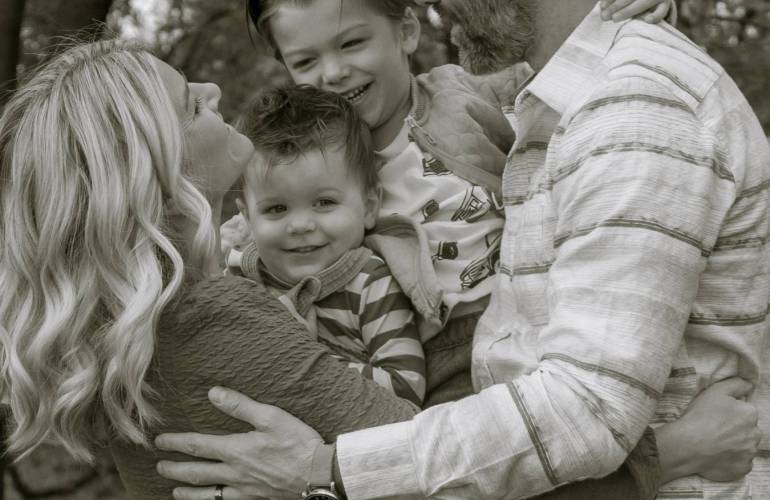
Being a writer with two young children is intense. Before having kids, writing was my life. I wrote to get published, to craft and polish The Pace of Nature, and to make it the best story it could be, which I now believe it is. Taking two years off from writing, although painful at the time, was probably the best thing I could have done for this story. Returning to it with fresh eyes, after becoming a mother of two, gave me perspective I didn’t have before. This story, based on true experiences, has always been incredibly close to my heart. Coming back to it as a different person, with a whole new lens shaped by motherhood, made it stronger than I ever could have imagined.

Before having children, writing was my main priority. My first son changed everything. I loved becoming a mom and had waited my whole life to hold him in my arms, yet I felt defeated for not having the time to continue building my writing career. Writing had always been my first baby. The Pace of Nature felt like a child I had created and nurtured, and stepping away from it felt impossible at first. But the distance allowed me to return with clarity, to strengthen the story, deepen the characters, and shape it into the novel I am proud of today.

Finishing the novel this past July through October was amazing but completely exhausting. As a mom of two young boys, I had read about moms waking up at 5:00 am to write their books and wondered how that was even possible. Experiencing this firsthand, writing from 5:00 to 6:30 a.m. and grabbing twenty minutes whenever I c ould, I quickly realized how hard it is to balance the chaos of motherhood with the focused demands of creating a story.Getting two young boys ready in the morning is a full-time job: getting them dressed, fed, shoes on, cleaning up after breakfast, handling laundry, making lunch, cooking, and cleaning again. Writing consumes your imagination, and during those months, I often found myself not fully present with my children. A new line or scene would pop into my head, and my attention would drift away from them. I didn’t like that.

This experience taught me something important: I want to be fully there for my boys. Those months of writing were incredible, and I believe The Pace of Nature was created with magic. But I am happy to be done with the intense creation phase. My boys are so young, and they are growing so fast. I don’t want to miss a beat. That said, The Pace of Nature is finished. I am submitting to agents and publishing houses while my four-year-old is at school and my two-year-old takes his daily three-hour nap. But I am no longer waking up at the crack of dawn to create or to market. I am exhausted and want to have energy to keep up with my two wild boys.

For now, I’m grateful for the quiet gift of three days a week – time to submit, to write, to share pieces of the work, and to search for the right marketing partner who can help carry The Pace of Nature into the world when the moment arrives.

If the novel does not find a home in traditional publishing by Fall 2026, I plan to self-publish no later than January 2027, trusting the story to meet its readers in its own way.

Thank you, as always, for your steady support. Sending much love to you all in the new year.

Hyde School Lawsuit: It’s about time

Hyde School is a college-preparatory boarding school in Woodstock, Connecticut, known for its intense focus on character development and family involvement.

Here’s My Story.

Hyde School changed my life in many ways – some of which I’m still grateful for, and others that left deep emotional scars. My experience isn’t black and white. It’s layered, complicated, and painful to revisit, but now, with a lawsuit finally bringing long-overdue attention to what so many of us went through, I feel compelled to share it.

When I arrived at Hyde, I was fifteen and only knew two things about myself:

         1.      I was a fast runner and a strong soccer player.

         2.      I was “stupid” because I had been in an accident at age seven that affected my ability to learn.

Hyde challenged that belief. Through its grueling structure and relentless push for self-reflection, I learned I wasn’t stupid. I was capable. I was strong. I learned how determined I could be. I came to understand that I had value beyond my accident. These are things I still carry with me today – I’ve graduated at the top of my class in both my undergraduate and master’s programs. I am now a mother, a wife, and a woman I’m proud to be.

But here’s the truth: none of this justifies the harm that was done.

There are things Hyde gave me – yes, like a deeper bond with my family through facilitated group sessions – but there are also things it took from me. Things that took years to reclaim.

The structure of Hyde was militaristic: 5:30 a.m. workouts, “24s” (24 hours of isolation, cleaning, and forced self-reflection when you got in trouble), intense peer and faculty evaluations. I could handle those. In fact, they made me stronger. But it was the Brother’s Keeper philosophy that broke something in me.

At Hyde, if you broke one of the Five Ethics – no smoking, no sex, no lying, no stealing, and being your “brother’s keeper” – you were labeled dirty. When someone was considered dirty, an announcement would go out. Classes, sports, and all daily activities would shut down. We’d be herded into the theater for hours without food or water while students were pulled onstage to name others who were also “dirty.” If your name was called, you were forced onstage too – humiliated, terrified, and powerless.

This wasn’t accountability. This was public shaming.

After the theater came the interrogations – one-on-one sessions with faculty who would pressure you to confess to things. If they thought you were withholding, they would keep pushing until you gave them something. And there was always the looming threat: Tell the truth or stay another year. And they meant it.

It felt like prison. We lived there. We couldn’t escape. And we were repeatedly told our parents were on board, fully supportive, even brainwashed. That was the most terrifying part – believing there was no safe way out, no one to believe us.

Senior year was supposed to be the highlight of my high school experience. I had worked so hard to get there, to rebuild my life and relationships with my family. But a series of these “school busts” events turned it into a nightmare. The emotional toll of being trapped, silenced, and threatened left deep trauma I carried for years. I’ve since undergone EMDR therapy to deal with recurring nightmares and panic that I didn’t fully understand until I faced them in therapy.

There were some faculty at Hyde who left a meaningful mark on me. Mr. Murphy showed me unexpected kindness and opened my eyes to the beauty of writing and English literature. Mr. Edwards taught me what it meant to be tough in a way that didn’t break me. And Mrs. Dubinsky was all heart – someone whose warmth and sincerity stood out in an otherwise harsh environment.

But not all faculty interactions were positive. During my time there, the dean of students demonstrated deeply inappropriate behavior that the school seemed to ignore or quietly dismiss. He was power-hungry and manipulative, often saying unsettling things and showing up unannounced in our dorm rooms when no one else was around. He would take students on strange, unexplained drives, and there were countless rumors circulating about his behavior – particularly toward the girls who babysat his children. These were not isolated whispers; they were persistent, deeply uncomfortable stories that were never properly addressed. Looking back, it’s clear that many of us were left vulnerable in ways we never should have been.

If you never felt unsafe at Hyde – if your experience was wholly positive – I am happy for you. Truly. But many of us had a different reality. We’re not just jumping on a bandwagon. We’ve been carrying this pain for years, often in silence.

In 2010, nearly a decade after I left Hyde, I wrote a book about my experience called The Pace of Nature. I entered an MFA writing program with one goal in mind: to become the best writer I could be – not just to tell my story, but to tell it well.

Life, motherhood, and time have kept the manuscript on hold. But with this lawsuit now shining a long-overdue light on the school, I’m seriously considering self-publishing. Not for recognition. Not for revenge. But for truth.

It was always my dream to traditionally publish The Pace of Nature – and as a professional writer who invested deeply in my education, I believed that was the path. But right now, what matters more is the purpose behind the book: to share my story in the hope that it helps others. The cycle of abuse must stop – and Hyde needs to change its methods, because they’re not realistic, and they’ve caused real harm to many.

This is my story. I wrote a book to tell it fully – and if there’s an audience that needs to hear it, I’ll be ready to publish.