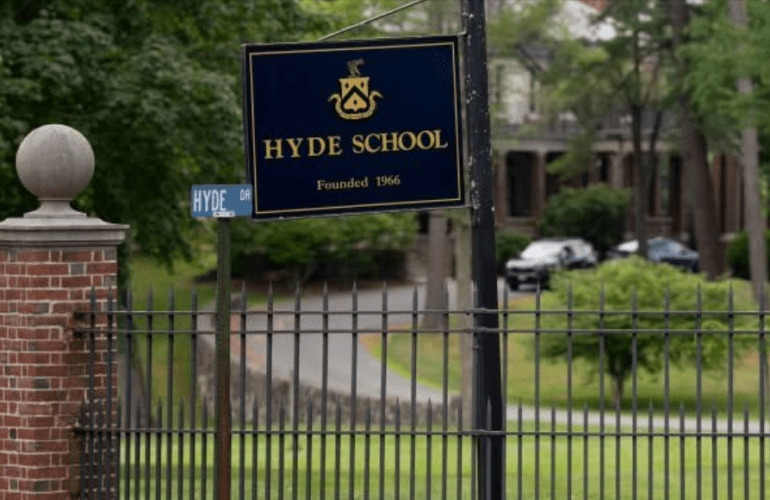
The federal lawsuit brought by former Hyde School student Jessica Fuller is now at a critical stage. The court must decide whether discovery will proceed, potentially opening access to internal emails, disciplinary policies, records, and sworn testimony.
Recent attention surrounding the case has focused on court sanctions issued over inaccurate AI-generated legal citations included in filings by Fuller’s attorney. While the judge addressed those procedural errors directly, the larger question before the court remains unchanged: whether Hyde School’s practices and disciplinary culture warrant further examination through discovery.
Will the court allow discovery to proceed?
For former students like myself, discovery is not simply a procedural phase buried in legal process. It represents something far more significant: the possibility of transparency.
Discovery could provide the first meaningful public examination into the systems and practices that shaped the lives of countless students over decades. That possibility matters not only to plaintiffs, but to former students, parents, educators, and the public itself.
For years, Hyde School has presented itself as a place of character development and transformation. Many students experienced it differently.
One of the most psychologically damaging aspects of Hyde’s culture was a practice known as “Brother’s Keeper,” which encouraged students to monitor and report one another. Supporters may describe this as accountability. But for many students, it created an atmosphere of fear, distrust, emotional isolation, and constant surveillance within peer relationships.
Students lived with the fear of being reported. Fear of public humiliation. Fear of disciplinary consequences. Fear of disappointing parents who had been led to believe the program was necessary for their child’s success or survival. Many students internalized the belief that ordinary adolescent mistakes, emotional struggles, or acts of rebellion were evidence of deep personal failure.
Privacy became suspect. Loyalty to friends became morally questionable. Students learned quickly that peers could become informants at any moment.
This was not simply about discipline. It shaped the emotional environment students lived inside every day.
Former students have spent years trying to explain the long-term effects of these systems. Many were dismissed as bitter, troubled, or unwilling to take responsibility for themselves. Others stayed silent entirely, unsure whether anyone would believe them.
Now, for the first time in a long time, many are watching this lawsuit with cautious hope, not because they seek revenge, but because they seek examination.
Discovery is not a declaration of guilt. It is a process that allows evidence to be seen. If Hyde School believes its practices were ethical and beneficial, then transparency should not be feared.
But if this case is dismissed before discovery occurs, many former students will once again be left with the same message they have carried for years: that their experiences do not warrant investigation.
This case is larger than one lawsuit. It speaks to broader questions about institutional accountability, adolescent vulnerability, and what can happen inside environments operating largely beyond public scrutiny.
The court now stands at an important threshold.
I hope the court chooses transparency over silence.