
Let discovery proceed in Hyde School case

The federal lawsuit brought by former Hyde School student Jessica Fuller is now at a critical stage. The court must decide whether discovery will proceed, potentially opening access to internal emails, disciplinary policies, records, and sworn testimony.

Recent attention surrounding the case has focused on court sanctions issued over inaccurate AI-generated legal citations included in filings by Fuller’s attorney. While the judge addressed those procedural errors directly, the larger question before the court remains unchanged: whether Hyde School’s practices and disciplinary culture warrant further examination through discovery.

Will the court allow discovery to proceed?

For former students like myself, discovery is not simply a procedural phase buried in legal process. It represents something far more significant: the possibility of transparency.

Discovery could provide the first meaningful public examination into the systems and practices that shaped the lives of countless students over decades. That possibility matters not only to plaintiffs, but to former students, parents, educators, and the public itself.

For years, Hyde School has presented itself as a place of character development and transformation. Many students experienced it differently.

One of the most psychologically damaging aspects of Hyde’s culture was a practice known as “Brother’s Keeper,” which encouraged students to monitor and report one another. Supporters may describe this as accountability. But for many students, it created an atmosphere of fear, distrust, emotional isolation, and constant surveillance within peer relationships.

Students lived with the fear of being reported. Fear of public humiliation. Fear of disciplinary consequences. Fear of disappointing parents who had been led to believe the program was necessary for their child’s success or survival. Many students internalized the belief that ordinary adolescent mistakes, emotional struggles, or acts of rebellion were evidence of deep personal failure.

Privacy became suspect. Loyalty to friends became morally questionable. Students learned quickly that peers could become informants at any moment.

This was not simply about discipline. It shaped the emotional environment students lived inside every day.

Former students have spent years trying to explain the long-term effects of these systems. Many were dismissed as bitter, troubled, or unwilling to take responsibility for themselves. Others stayed silent entirely, unsure whether anyone would believe them.

Now, for the first time in a long time, many are watching this lawsuit with cautious hope, not because they seek revenge, but because they seek examination.

Discovery is not a declaration of guilt. It is a process that allows evidence to be seen. If Hyde School believes its practices were ethical and beneficial, then transparency should not be feared.

But if this case is dismissed before discovery occurs, many former students will once again be left with the same message they have carried for years: that their experiences do not warrant investigation.

This case is larger than one lawsuit. It speaks to broader questions about institutional accountability, adolescent vulnerability, and what can happen inside environments operating largely beyond public scrutiny.

The court now stands at an important threshold.

I hope the court chooses transparency over silence.
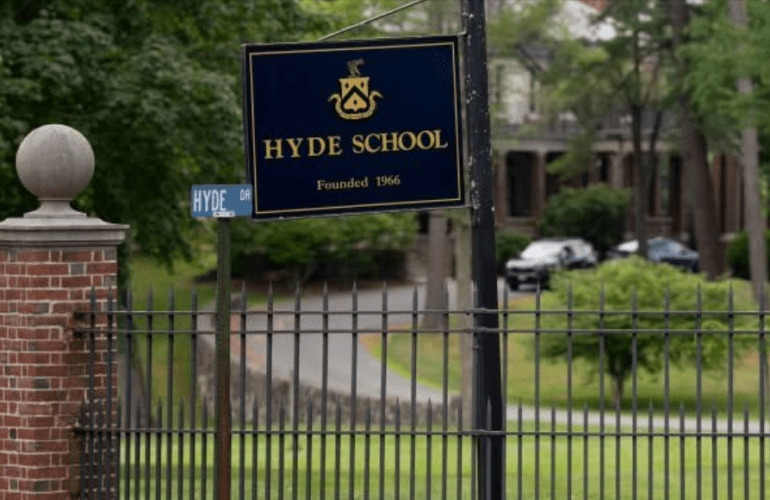
Let discovery proceed.

Still waiting on accountability from Hyde School – Published Portland Press Harold 2/11/26

It has been over six months since former student Jessica Fuller filed a lawsuit against Hyde School. She claims students endured abuse, forced labor, and lasting emotional harm.

The case is still active, but it is moving slowly, not because the claims lack merit, but because of legal rules. Since the lawsuit was filed in Maine, Fuller needs a local lawyer for the court to proceed. At the same time, Hyde has asked the court to dismiss the case entirely before it even reaches trial.

Right now, the court has not ruled on whether the claims are true, only on whether the case can continue. That means the story is far from over, even if the process feels frustratingly slow. The motion to dismiss, which would prevent the case from being fully examined, is telling.

What is most troubling, regardless of legal outcomes, is Hyde School’s continued refusal to acknowledge or take responsibility for the harm reported by former students over decades. Accounts include allegations of physical mistreatment, forced labor framed as discipline, and systems of emotional manipulation that blurred boundaries and caused long-term damage.

Music and Motherhood

Music has always been my quiet translator. It reaches places language cannot, steadies my nervous system, lifts me when I am low, and on the hardest days reminds me that there is meaning, rhythm, and a reason to keep going. Music has been the thing that told me, gently but firmly, that I was going to be okay.

Motherhood, especially in the early years, has a way of setting aside many of the things that once felt essential. Not lost, just postponed. Placed on a high shelf for “later,” whenever later decides to arrive.

These days, most of my soundtrack is kid approved. In the car, while making dinner, packing lunches, wiping counters, anything to keep the peace and prevent a full meltdown. Children’s music fills the house because silence feels risky and screaming feels worse. This is not a complaint. It is survival.

And honestly, I have embraced it. I have excellent kid playlists. One of my favorites is reggae versions of children’s songs, yes including The Wheels on the Bus, which somehow keeps all of us moving. We dance. We wiggle. We sing. We even have a karaoke machine with three microphones, one for each boy and one for mama.

But lately, I have been testing the edges.

I have been reclaiming pieces of myself in small, almost invisible ways. An inch here. A moment there. This morning, on the hour long drive to my mother’s house and back, instead of zoning out or surrendering to exhaustion, I played my own music. Not kid music. Not compromise music. Mine.

And my boys were fine.

As the miles passed, something familiar stirred. That old feeling of joy and possibility came rushing back, like a part of me waking up after a long sleep. I felt connected to the version of myself that existed before children, and also to the woman I am now. Tired. Overworked. Doing the invisible labor of a household that never truly rests.

That feeling is not new to me. It lives in The Pace of Nature as well. Lilly feels it too, that deep pull toward music as refuge, as truth teller, as the place where she can breathe without explaining herself. Music is where she remembers who she is when the world asks her to be smaller, quieter, more manageable. In that way, Lilly and I are not so different. We both know what it means to lose ourselves to responsibility and expectation, and how music becomes the thread that leads us back.

It made me wonder why I ever stopped listening to the things that light me up from the inside. The songs that loosen something in my chest, that shake the dust off my spirit, that remind me I am more than a mother, a chauffeur, a cook, a cleaner.

Motherhood asks a lot. Sometimes it asks for everything. But maybe it does not have to ask for this too.

Maybe letting my music back in, even just on a drive, even just for an hour, is not selfish. Maybe it is essential. Maybe it is how I stay aligned with my own pace of nature, how I remember myself, and how my boys get to know me not only as their mother, but as a whole person who still listens to what moves her.

And honestly, that feels like a rhythm worth keeping.